Tennessee Tap Water That Tastes, Smells or Looks Off: A Starting Guide
A change in tap water can be unsettling, especially when it affects drinking, cooking, or bathing. In Tennessee, an odd taste, smell, color, or texture can come from household plumbing, work on the water system, or a broader supply concern. The pattern can help you decide what to check next—but it cannot confirm that water is safe.
What a change in tap water can—and cannot—tell you
Water that tastes, smells, or looks different is a reason to pay attention, but appearance and odor alone do not identify a contaminant or establish whether water is safe. A clear glass of water is not proof that everything is fine, and an unpleasant smell is not, by itself, proof of a serious problem.
The Tennessee Department of Environment and Conservation says public water utilities regularly test for: Bacteria, viruses, chemical contaminants, and disinfectant byproducts. That monitoring is important, but a utility’s general results do not necessarily explain a sudden change at your particular faucet. A household issue, a change in utility operations, or a temporary event may need separate investigation.
Start by describing the change rather than guessing at its cause. Note whether it affects the cold tap, hot tap, or both; whether it occurs at one fixture or throughout the home; and whether it began suddenly or developed over time. These clues help you explain the problem to the utility, landlord, plumber, or water professional who may need to investigate.
A useful distinction is whether the change appears limited to your plumbing or is also present elsewhere. If neighbors on the same supply report a similar issue, contact the utility promptly. If the problem occurs at one faucet and other taps seem normal, the fixture or nearby plumbing may be involved. Neither pattern proves the source, but it helps direct the next check.
Also consider whether there has been recent work or a change in how the water is being used. Main or hydrant work, a plumbing repair, a long period away from home, a water heater issue, or a filter that needs attention may coincide with a change. Treat these as leads to investigate, not as confirmed explanations.
For help understanding what a utility report can tell you, see Reading Your Tennessee Water Quality Report, Section by Section. If you want the wider context on monitoring and public supplies, Is Tennessee Tap Water Safe to Drink? How It’s Tested and Reported explains how those questions differ from a faucet-level complaint.
Use the pattern to narrow down the next step
The details of the change matter. A brief change at one tap suggests a different starting point from unusual water across a neighborhood, but either situation deserves attention if it persists, worsens, or comes with an official notice.
| What you notice | What to check first | Who to contact if it continues |
|---|---|---|
| Color or particles at one faucet | Compare another cold tap and look at the fixture | A plumber, landlord, or utility, depending on where the issue appears |
| Discolored water throughout the home | Ask whether nearby customers notice it and check utility updates | The water utility |
| Odor only at one drain or faucet | Check whether the smell comes from the drain, the fixture, or the water itself | A plumber or landlord |
| Odor or taste at several taps | Compare hot and cold water and ask neighbors about the same supply | The water utility |
| Change only in hot water | Check whether cold water is normal and consider the water heater or hot-water plumbing | A plumber or landlord |
| Sudden change after a water-system notice | Read the notice and follow the utility’s instructions | The water utility |
| Change at a private well | Stop treating public utility reports as relevant to the well and arrange appropriate testing | A qualified water professional or local health department |
These are starting points, not a diagnostic chart. A pattern can help locate the problem, but it cannot tell you what is in the water. For example, a taste that occurs at several taps may point you toward the supply, but only the utility or appropriate testing can help determine what changed.
If the concern is about health effects, ask your local health department or a medical professional. If you suspect a water-quality problem in a public supply, contact the utility that serves your address and ask whether it is aware of the issue, whether there is current guidance, and what information it needs from you. If you do not know which provider serves your home, Which Utility Serves Your Tennessee Address, and Where’s Its Report? offers a way to start identifying it.
Color, cloudiness, particles, and staining
Color changes range from a brief cloudy appearance to persistent orange, brown, black, or greenish water. The color is a clue, not a test result. It may come from the water system, a household pipe, a faucet component, a water heater, or material that has collected in plumbing. Do not assume that a particular color tells you what the material is or whether the water is safe.
Cloudy or milky-looking water
Water can look cloudy when tiny bubbles are suspended in it. But do not rely on appearance alone to decide that cloudiness is harmless. Observe whether it clears, whether it happens at other cold taps, and whether neighbors see the same thing. If it persists, comes with a noticeable odor or particles, or began during a broader service issue, ask the utility for guidance.
Check the cold tap as well as the hot tap. If the change appears only in hot water, the water heater or hot-water plumbing becomes a practical place to investigate. If both hot and cold water are affected at multiple fixtures, report the pattern to the utility rather than trying to identify the cause by sight.
Orange, brown, or rusty-looking water
Discolored water may appear after work on a water main or hydrant, but a similar appearance can also originate within a home. If the water changes suddenly, affects multiple taps, or is reported by neighbors, contact the utility and ask whether work or a service condition could explain it. Rusty Tap Water After Main Work in Tennessee: Drink It? Wash With It? focuses on that situation.
If only one fixture is affected, compare it with another cold tap. A fixture, aerator, or nearby section of plumbing may be involved. Avoid making a decision about drinking or cooking with discolored water based solely on how it looks. Ask the utility or a qualified professional what to do while the cause is being checked.
Stains on a sink, toilet, laundry, or other surfaces can be a separate issue from the appearance of water in a glass. Staining may be related to minerals or metals, but a stain is not a reliable way to identify a substance. For a persistent problem, ask the utility whether it has relevant water-quality information and consider testing that matches the concern.
Black particles, grit, or other visible material
If you see particles, avoid guessing what they are by color, texture, or magnet response. They could be associated with the faucet, plumbing, a treatment device, or the water supply. Save a clear description of what you saw and note where it appeared. If you can safely collect a sample without touching or contaminating it, ask the utility whether it wants one and how it should be handled. Do not use a household container as a substitute for a sample container provided or approved for testing.
Check whether the material appears at more than one tap and whether it is present in hot water, cold water, or both. A water filter can also collect particles or shed material if it is damaged or overdue for maintenance, so check the device instructions without assuming the filter is the source. If the particles return or affect multiple faucets, contact the utility or a qualified plumber.
If discolored water followed nearby flushing or repair work, ask the utility for its current advice before deciding whether to run taps or use water for laundry. Utilities may give instructions that depend on the local situation. If the water has caused staining, do not assume that running it longer will solve the issue; How Long to Flush Your Taps After Rusty Water Shows Up discusses why local guidance matters.
Taste and odor changes
Taste and odor can be difficult to describe, but details help. Is the smell strongest at the drain, at the faucet, or in the glass? Is it present in cold water, hot water, or both? Does it occur at one fixture, every tap, or at neighboring homes? These observations can help separate a possible plumbing issue from a concern affecting the supply.
Chlorine-like or chemical smell
A chlorine-like smell can prompt questions about treatment or plumbing, but smell strength cannot measure a disinfectant level or establish a safety risk. If the odor is new, intense, persistent, or present at several taps, contact the utility and ask whether it has an explanation or current guidance. Do not try to neutralize the water or change its use based only on smell.
If the smell occurs at one fixture, compare another tap and make sure the odor is coming from the water rather than the drain or nearby materials. If it appears only in hot water, a hot-water system may need inspection. Is a Bleach Smell in Tennessee Tap Water Normal? offers more context on that particular concern.
Rotten-egg, sewer, or sulfur-like odor
An odor described as rotten eggs or sewer gas can seem to come from the water when the source is actually the drain or sink area. Compare the water in a clean glass away from the sink, and check whether the smell occurs at other fixtures. If it is limited to one drain, a plumbing issue may be the right place to investigate. If the odor is present in the water at several taps, or you are uncertain, contact the utility or a qualified plumber rather than assuming the cause.
The distinction between hot and cold water is useful. An odor limited to hot water may lead a plumber to examine the water heater or hot-water plumbing. An odor in both hot and cold water at several taps needs a different investigation. Smell From the Hot Water, One Faucet or Every Tap? Narrowing It Down gives a more focused way to compare these patterns.
Earthy, musty, metallic, or otherwise unfamiliar taste
Taste is subjective, and a familiar taste can change without the water becoming unsafe. A new or persistent taste may reflect a change in the supply, plumbing, a faucet, or a treatment device. Note where and when it occurs, then report it to the utility if it affects several taps or appears beyond your home.
Do not use a filter as a substitute for finding out what changed. Filters are designed or certified for particular reductions, and their claims must match the issue and your water results. A general-purpose filter may not address the substance you are concerned about. If you use a treatment device, check its maintenance instructions and certification, and ask the utility or a qualified water professional whether testing is appropriate.
If you are concerned about a possible health effect, do not try to assess that risk by tasting the water. Ask your local health department or a medical professional for health guidance, and ask the utility about the water-quality concern.
What to do when water changes
A calm, consistent response is more useful than trying several fixes at once. Keep a record of what you observe, check for current utility instructions, and avoid using a taste, smell, or visual impression as a safety test.
A practical check-and-contact process
- Pause and describe the issue. Note what changed, when you noticed it, and whether it affects color, clarity, taste, smell, or visible particles.
- Compare fixtures carefully. Check another cold-water tap and, if relevant, compare hot and cold water. Do not use water for drinking or cooking if an official notice says not to.
- Check whether the issue is local. Ask a neighbor on the same supply whether they notice the same change. A neighbor’s answer is a clue, not a safety determination.
- Look for official updates. Check the utility’s official website or other official communication channels for advisories, service notices, and instructions. If there is a boil-water notice or another restriction, follow its stated guidance rather than relying on general advice.
- Contact the right person. Call or write the utility about a possible supply concern. Contact a landlord or property manager for a rental, and a qualified plumber for a problem that appears limited to household plumbing.
- Follow up if it does not resolve. Record when you contacted the utility or property manager and what instructions you received. If the condition persists or returns, report that pattern again.
When you contact the utility, include the service address, the affected fixtures, whether the issue is in hot water, cold water, or both, and whether neighbors are affected. Describe the change without trying to name a contaminant. Ask whether there is a current notice, whether the utility wants a sample, and what use guidance applies while the issue is investigated. Use the utility’s official website to find current contact details.
For a possible boil-water advisory, do not assume that boiling is always the right response to every unusual taste, smell, or appearance. Boiling is not a general-purpose treatment for all water-quality concerns, and it does not tell you what caused the change. Follow instructions from the utility and read Tennessee Boil-Water Notices: Where to Look and What to Do if a notice is in effect.
If water is visibly discolored, contains particles, or has an unusual odor, avoid using it for drinking or cooking until you have checked applicable official guidance. The appropriate precaution can depend on the reason for the change. A utility can advise customers about a known supply issue; a local health department or medical professional is the right place to ask about health concerns.
Keep a useful record
Write down when the change began and whether it comes and goes. Record which fixtures are affected, whether the water is hot or cold, and whether the appearance or smell changes after water has not been used for a while. If you see staining or particles, note where they appear and whether they recur.
Photographs can help document color or visible material, but they do not replace a water test. If you take a sample for your own reference, label it with the time and location and do not present it as laboratory evidence. Ask the utility or certified laboratory how to collect a sample if testing is recommended. Different tests use different containers and handling instructions, so an improvised sample may not provide useful results.
A clear record also helps if you rent. Tell the landlord or property manager what you observed and when, and keep a copy of the communication. For information about a utility notice and a concern at a rental property, see Renting in Tennessee? How to Ask for Service-Line Inventory Records for service-line records, and contact the appropriate housing or legal professional if the issue involves responsibilities beyond water quality.
How to find out whether the concern is in the supply or at home
A utility report is useful background, but it does not necessarily describe the water at every faucet. Water can change as it moves through a building’s plumbing, and a report may summarize monitoring across a supply rather than identify conditions in a particular home. For that reason, use the report alongside your observations and direct communication with the utility.
Check the right utility and the right notice
Confirm which utility serves the address before relying on a report from a nearby city or neighborhood. Tennessee addresses close together may have different providers. Then look for current notices or service updates from that provider. An annual report and an active advisory answer different questions: an annual report summarizes monitoring information, while an advisory gives customers current instructions about a specific concern.
For a closer look at the difference, read Does a Tennessee Water Quality Report Describe Water at Your Faucet?. If you need to find a current report, Tennessee Water Quality Report, Section by Section can help you interpret what it says and what it does not establish.
Do not treat a report with no listed violation as proof that a particular taste or odor has no cause. Reports are designed to communicate monitoring results, not diagnose every household complaint. Conversely, an unfamiliar smell does not mean the report is misleading or that the water has failed a standard. Ask the utility how the reported data relate to your supply and whether additional information is available.
Ask whether testing is appropriate
Testing can help answer a specific question, but the test must match the concern. A general test may not check for every contaminant, and a sample taken at one faucet does not necessarily show what is happening throughout a system. Before paying for a test, ask what the result would be able to confirm, who should collect the sample, and whether the laboratory is qualified for the test you need.
For public water, ask the utility whether it can investigate the complaint or explain whether customer sampling is appropriate. For a possible plumbing-related issue, a qualified plumber or water professional may be able to help determine where a sample should be drawn. If you are arranging independent testing, How to Get Water Tested in Tennessee: Labs, Kits and Free Programs explains how to think about the test and the laboratory.
Do not accept door-to-door claims about what a sample proves without checking the test method and the provider’s qualifications. Be cautious about anyone who uses an alarming result to pressure you into buying equipment immediately. A result needs context: the units, the sampling point, the test’s limitations, and the applicable standard or guidance all matter.
If testing identifies a concern, ask the laboratory or appropriate professional to explain what the result means and what it does not mean. Do not choose a treatment product from a sales pitch alone. Check that any device is certified or designed to reduce the specific substance found, and verify that its capacity and maintenance requirements suit your water and household. A treatment device also needs ongoing upkeep and, when appropriate, follow-up testing.
When the source may be a well or household plumbing
Not every Tennessee home receives water from a public utility. If your home uses a private well, spring, or other individual supply, a public utility’s report does not describe that water. A change in taste, odor, or appearance should lead you to consider the supply, the well or spring, and the plumbing on the property separately.
For a private supply, consider whether the change followed heavy rain, flooding, nearby work, a pump repair, or a period when the water was not used. These events do not identify the cause, but they may help a qualified professional choose what to inspect or test. Do not assume that a past clean result still describes the water after conditions have changed.
Testing should be based on the concern, and sample collection matters. Use a qualified laboratory and follow its instructions for the specific test; do not reuse a container or assume that a home kit checks everything relevant. If the result raises a health question, ask the local health department or a medical professional. Private Wells in Tennessee: An Owner’s Guide to Rules and Upkeep and Which Tests to Order for a Private Well in Tennessee, and When provide more detail for owners of individual supplies.
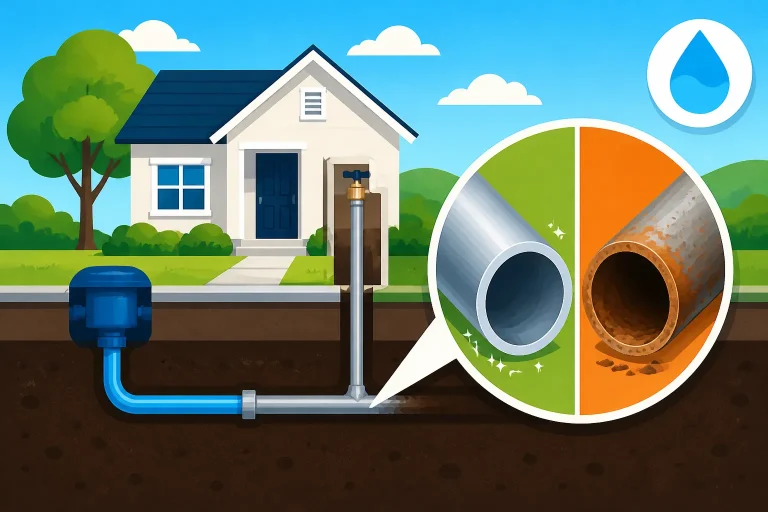
Household plumbing can also change the water after it leaves a public system. If only one faucet is affected, inspect the fixture and ask a plumber whether the faucet, aerator, or connected plumbing should be checked. If the change occurs only in hot water, tell the plumber that detail; it may help identify whether the hot-water system is involved. If the issue appears at every tap, do not assume it is a plumbing problem—contact the utility as well.
Renters should report the issue to the landlord or property manager and contact the utility directly if there may be a supply concern. Keep the descriptions specific and ask who will arrange any inspection or testing. A landlord’s or neighbor’s reassurance is not a substitute for current utility instructions or testing suited to the concern.
Frequently Asked Questions
Does clear water mean Tennessee tap water is safe?
No. Appearance alone cannot establish safety. Contact the utility if you have a concern about public water, check official notices, and ask the local health department or a medical professional about health effects.
Should I stop using tap water if it smells or tastes different?
If an official notice gives instructions, follow them. Otherwise, contact the utility when the change is sudden, persistent, affects several taps, or is also reported by neighbors. Do not rely on taste or smell to judge safety.
Could an unusual smell come from the drain instead of the water?
Yes, a smell may be associated with the drain or fixture rather than the water. Compare water from another tap in a clean glass away from the sink. If the odor is in water at several fixtures or you are unsure, contact the utility or a qualified plumber.
Will a home filter fix a taste, smell, or color problem?
Not necessarily. Filters are designed or certified for specific reductions, and a device cannot be matched to an unknown problem by appearance alone. Find out what changed, check the device’s certification against relevant test results, and follow its maintenance instructions.
Sources
- Tennessee Department of Environment and Conservation — Tennessee Department of Health Healthy Homes (checked November 13, 2026)
Disclaimer
This article is for general informational purposes only and does not constitute professional advice. Laws, prices and regulations vary by location and change over time. Consult a qualified professional for guidance on your specific situation. Tennessee Water Guide is not a government agency or water utility and is not affiliated with any public water system.